

Introduction
Eye styes are a common eye problem that can cause pain, swelling, and discomfort. Understanding proper stye treatment, including home remedies and when antibiotics are necessary, is essential for quick relief and preventing recurrence. In this article, we’ll cover everything from causes, symptoms, prevention, and detailed eye stye treatment options.
Understanding Styes and Their Causes
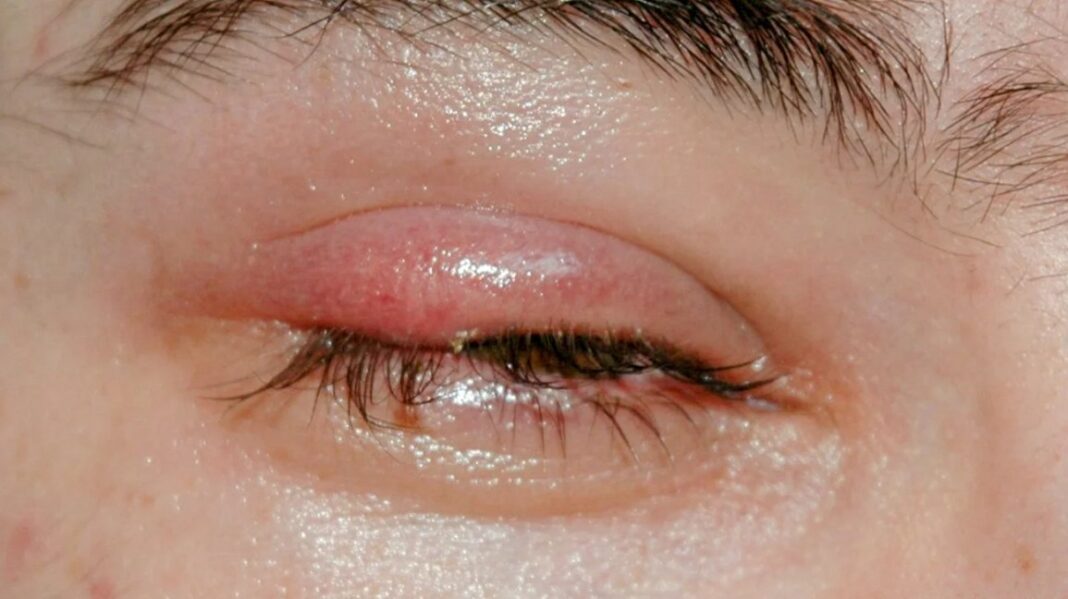
A stye, medically known as hordeolum, is a small, red, painful lump that develops along the edge of the eyelid. Styes are usually caused by a bacterial infection in the oil glands of the eyelid. Understanding the causes can help guide the most effective eye stye treatment.
What is a Stye?
A stye is an inflamed bump on the eyelid caused by bacteria like Staphylococcus aureus. It often appears near the base of eyelashes or inside the eyelid. Styes can range from small, barely noticeable bumps to larger, more painful lumps.
-
Styes are highly treatable with proper care.
-
Most styes resolve within a week with home remedies.
-
Severe or recurring styes may require stye treatment antibiotic therapy.
Common Causes of Eye Styes
-
Poor eyelid hygiene
-
Rubbing the eyes with dirty hands
-
Using old or contaminated eye makeup
-
Blocked oil glands in the eyelid
-
Chronic conditions like blepharitis
Most styes are minor, but proper eye stye treatment is important to prevent infection and reduce discomfort. Warm compresses and antibiotics can help.
Symptoms of an Eye Stye
Recognizing the early signs of a stye is key for effective stye treatment.
How to Identify a Stye Early
- Red, tender lump on the eyelid
- Swelling near the eyelashes
- Pain or discomfort while blinking
- Sensitivity to light
- Watery eyes
When to Seek Medical Attention
- Stye persists for more than a week
- Severe pain or swelling
- Blurred vision or spreading redness
- Recurrent styes
Table 1: Symptoms and Severity of Eye Styes
| Symptom | Mild | Moderate | Severe |
|---|---|---|---|
| Redness around eyelid | ✅ | ✅ | ✅ |
| Swelling | ✅ | ✅ | ✅ |
| Pain | ✅ | ✅ | ✅ |
| Discharge from eyelid | ❌ | ✅ | ✅ |
| Vision disturbance | ❌ | ❌ | ✅ |
Home Remedies for Eye Stye Treatment
Most styes can be treated at home using simple remedies. Proper home care reduces discomfort and accelerates healing.
Warm Compresses for Relief
Applying a warm compress to the affected eyelid 3–4 times a day helps unclog the oil glands and reduce swelling.
Steps for a Warm Compress:
- Soak a clean cloth in warm water.
- Wring out excess water.
- Place the cloth over the closed eyelid for 10–15 minutes.
- Repeat 3–4 times daily until the stye improves.
Proper Eyelid Hygiene Practices
- Gently wash eyelids with mild soap or baby shampoo.
- Avoid touching or squeezing the stye.
- Remove eye makeup and avoid new cosmetic products.
- Wash hands frequently.
Bullet Points for Quick Home Care:
- Use warm compresses regularly
- Maintain eyelid hygiene
- Avoid touching or rubbing the eyes
- Remove old or contaminated makeup
- Wash hands frequently
- Do not share towels or pillowcases
Home remedies like warm compresses and proper hygiene are effective first steps in eye stye treatment, often eliminating the need for antibiotics.
Stye Treatment with Antibiotics
When home remedies fail, or if the stye becomes severe or infected, stye treatment antibiotic therapy may be recommended by a healthcare provider.
When Antibiotics are Necessary
- Persistent or worsening styes
- Styes that spread infection to nearby tissues
- Recurrent styes in patients with underlying conditions
Types of Antibiotic Treatments for Styes
-
Topical Antibiotics:
- Antibiotic ointments like erythromycin or bacitracin applied directly to the stye.
-
Oral Antibiotics:
- Prescribed for severe infections or multiple styes.
-
Combination Therapy:
- Sometimes used with warm compresses for faster recovery.
Table 2: Antibiotic Options for Eye Stye Treatment
| Type | Common Use | Duration | Notes |
|---|---|---|---|
| Topical ointment | Mild styes | 5–7 days | Applied 2–3 times/day |
| Oral antibiotics | Severe or recurrent styes | 7–10 days | Requires doctor prescription |
| Combination therapy | Stye with inflammation and discomfort | Varies | Often combined with warm compresses |
For severe styes, stye treatment antibiotic therapy ensures faster healing and prevents complications, especially if infection spreads beyond the eyelid.
Prevention Tips for Future Styes
Preventing styes is just as important as treating them. Following a consistent routine can reduce the risk of recurrence.
- Wash hands before touching eyes
- Remove makeup before sleeping
- Clean eyelids regularly
- Avoid sharing personal items like towels or pillowcases
- Use hypoallergenic makeup and avoid old products
FAQs About Eye Stye Treatment
Can styes go away on their own?
Yes, most styes heal within a week with home care.
How long does antibiotic stye treatment take?
Typically 5–10 days depending on the severity of infection.
Are styes contagious?
Styes themselves are not highly contagious, but the bacteria causing them can spread.
When should I see an eye specialist?
Seek professional help if the stye is very painful, recurring, or affecting vision.
Conclusion
Eye stye treatment ranges from simple home remedies to stye treatment antibiotic therapy. Early recognition, proper hygiene, and timely intervention can prevent complications and reduce discomfort. Whether you use warm compresses, maintain eyelid hygiene, or consult a doctor for antibiotics, consistent care is key to faster recovery.
Read More:- Best Mass Gainer Protein Powders for Lean Muscle (Transparent Labs Tested)