


Introduction
Peanut butter is one of the most popular and comforting foods across the world. Its creamy texture, rich taste, and versatility make it a staple in many households. However, when weight loss enters the conversation, peanut butter often becomes controversial. Many people automatically assume that a calorie-dense food like peanut butter must be avoided during weight loss. This assumption raises an important question: is peanut butter good for weight loss, or does it secretly sabotage progress?
Weight loss is not just about eliminating foods but understanding how different nutrients affect hunger, metabolism, and overall energy balance. Peanut butter contains fats, protein, and fiber, all of which influence how the body processes food. Instead of viewing peanut butter as simply high-calorie, it is essential to examine its nutritional profile and real-world effects on appetite and body composition.
This article explores the science, myths, and practical use of peanut butter in a weight loss lifestyle. By the end, you will have a clear understanding of whether peanut butter can support your goals or if it should be consumed with caution.
Nutritional Composition of Peanut Butter and Why It Matters
Peanut butter is made primarily from roasted peanuts, which are naturally rich in nutrients. It contains healthy fats, moderate protein, and small amounts of carbohydrates along with vitamins and minerals. The fat content is largely composed of monounsaturated and polyunsaturated fats, which are considered heart-friendly and metabolically beneficial.
Protein in peanut butter plays a crucial role in muscle maintenance and satiety. When protein intake is adequate, the body feels fuller for longer periods, reducing unnecessary snacking. Fiber, though present in modest amounts, supports digestion and slows the absorption of carbohydrates, helping maintain stable blood sugar levels.
Micronutrients such as magnesium, vitamin E, and niacin contribute to metabolic health and energy production. When evaluating whether is peanut butter good for weight loss, these nutrients matter because weight management depends on more than calorie counting alone.
Calories and Weight Loss: The Real Relationship
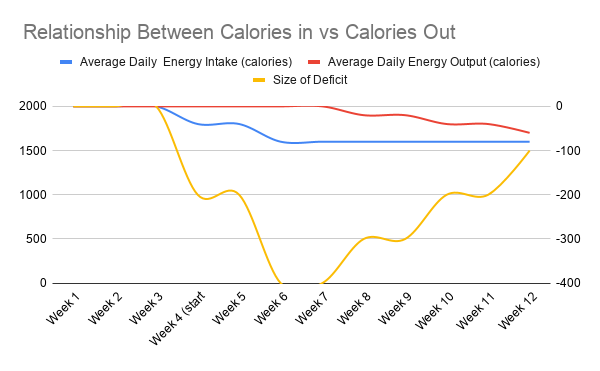
One tablespoon of peanut butter contains a significant number of calories compared to vegetables or fruits. This fact alone often leads to the belief that peanut butter causes weight gain. However, calories are only one part of the equation. The body processes calories from whole, nutrient-dense foods differently than those from refined sugars or ultra-processed snacks.
Peanut butter’s calorie density comes with satiety benefits. Foods that keep you full can help reduce total daily calorie intake. Studies have shown that diets including nuts and nut butters do not necessarily lead to weight gain and may even support fat loss when portion sizes are controlled.
So when people ask is peanut butter good for weight loss, the more accurate question is how peanut butter fits into an overall calorie-controlled and nutrient-balanced diet rather than whether it should be eliminated altogether.
How Peanut Butter Affects Appetite and Satiety
Hunger management is one of the biggest challenges in weight loss. Peanut butter excels in this area due to its combination of fats and protein. These macronutrients slow digestion and reduce rapid spikes in blood sugar, leading to longer-lasting fullness.
When consumed as part of breakfast or a mid-day meal, peanut butter can reduce cravings later in the day. This effect can help prevent binge eating and mindless snacking, which are common reasons weight loss efforts fail.
Research suggests that individuals who include moderate portions of peanut butter in their meals often feel more satisfied compared to those who consume low-fat but high-sugar alternatives. This satiety factor strongly supports the idea that is peanut butter good for weight loss when used correctly.
The Role of Healthy Fats in Fat Loss

The concept of eating fat to lose fat may sound counterintuitive, but healthy fats play an essential role in hormonal balance and metabolism. Peanut butter contains fats that support insulin sensitivity and help regulate appetite hormones such as leptin and ghrelin.
When dietary fat is too low, the body may respond by increasing hunger signals and slowing metabolic processes. Including healthy fat sources like peanut butter can prevent this metabolic slowdown and promote sustainable fat loss.
This is one reason many nutrition experts no longer recommend extremely low-fat diets. Instead, they emphasize balance, reinforcing that is peanut butter good for weight loss when it replaces unhealthy fats and refined carbohydrates rather than adding excess calories.
Peanut Butter and Muscle Preservation During Weight Loss
Weight loss is not just about losing fat but also preserving lean muscle mass. Protein intake is crucial for preventing muscle loss, especially when calories are reduced. Peanut butter provides plant-based protein that contributes to daily protein needs.
While it may not replace high-protein foods entirely, peanut butter complements other protein sources well. Maintaining muscle mass helps keep metabolism active, which supports long-term weight management.
For individuals combining weight loss with strength training or yoga-based fitness routines, peanut butter can be a convenient nutrient source. This muscle-supporting aspect further strengthens the argument around whether is peanut butter good for weight loss.
Glycemic Impact and Blood Sugar Stability
Stable blood sugar levels are important for weight control. Frequent spikes and crashes can increase hunger and cravings for sugary foods. Peanut butter has a low glycemic impact, meaning it does not cause sharp increases in blood glucose.
When paired with carbohydrates such as whole grains or fruits, peanut butter can slow digestion and improve overall glycemic response. This helps prevent energy crashes and overeating.
People struggling with emotional eating or sugar cravings often find that adding peanut butter to balanced meals improves dietary consistency. This metabolic advantage plays a significant role when evaluating is peanut butter good for weight loss.
Common Myths About Peanut Butter and Weight Gain

One common myth is that eating peanut butter automatically leads to fat gain because it is calorie dense. Another misconception is that peanut butter is unhealthy due to its fat content. These beliefs overlook the quality of calories and fats found in whole foods.
Weight gain occurs when calorie intake consistently exceeds expenditure. Peanut butter alone does not cause weight gain unless consumed excessively without regard to portion size. The problem often arises from flavored or processed peanut butter products that contain added sugars and oils.
Understanding these myths allows individuals to make informed choices rather than unnecessarily restricting nutritious foods. This clarity helps answer the ongoing question: is peanut butter good for weight loss or simply misunderstood?
Portion Control and Mindful Consumption
The key to incorporating peanut butter into a weight loss plan lies in portion control. Because it is energy dense, small servings deliver significant nutrition. Mindful consumption ensures that peanut butter supports satiety without pushing calorie intake beyond daily limits.
Using peanut butter as part of meals rather than as a standalone snack can improve its effectiveness. When combined with fiber-rich foods and protein, its benefits are maximized.
Learning appropriate serving sizes transforms peanut butter from a feared food into a strategic dietary tool. This practical approach is essential when deciding is peanut butter good for weight loss in real-life scenarios.
Peanut Butter in Different Weight Loss Diet Styles
Peanut butter fits well into various dietary patterns. In balanced diets, it provides healthy fats and protein. In plant-based diets, it serves as a valuable protein source. In low-carbohydrate approaches, its fat content supports energy needs without excessive carbs.
Even in traditional calorie-controlled diets, peanut butter can be included as long as overall intake is monitored. Its versatility allows it to adapt to different nutritional philosophies without compromising weight loss goals.
This flexibility highlights why the question is peanut butter good for weight loss does not have a simple yes or no answer, but rather depends on dietary context and habits.
Psychological Satisfaction and Long-Term Adherence
Successful weight loss depends heavily on sustainability. Foods that provide pleasure and comfort can improve long-term adherence to a healthy lifestyle. Peanut butter’s taste and texture make it satisfying, reducing feelings of deprivation.
When diets are overly restrictive, people are more likely to quit or relapse. Including enjoyable foods in moderation supports mental well-being and consistency.
From a behavioral perspective, peanut butter can help individuals stick to their plan without feeling restricted. This psychological benefit plays a crucial role in determining whether is peanut butter good for weight loss over the long term.
Final Verdict: Is Peanut Butter Good for Weight Loss
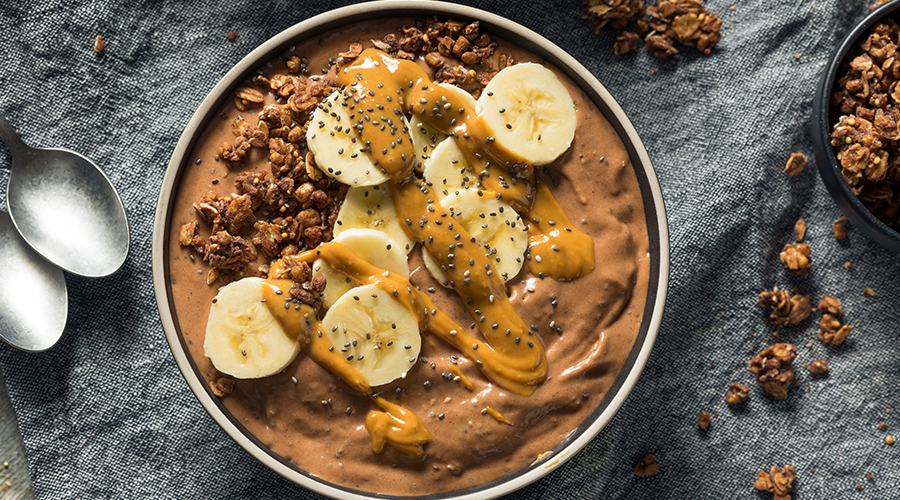
After examining nutrition, metabolism, appetite control, and psychological factors, the answer becomes clearer. Is peanut butter good for weight loss? Yes, when consumed in moderation, chosen in its natural form, and integrated into a balanced diet.
Peanut butter supports satiety, provides healthy fats, contributes protein, and enhances meal satisfaction. It does not inherently cause weight gain and can actually help reduce overeating when used mindfully.
Weight loss success depends on overall dietary patterns rather than demonizing individual foods. Peanut butter, when respected for its calorie density and nutritional value, can be a powerful ally rather than an obstacle.
Conclusion: Making Peanut Butter Work for Your Goals
Weight loss is a journey shaped by knowledge, consistency, and smart choices. Peanut butter represents a food that challenges outdated diet myths and encourages a more balanced approach to nutrition.
Instead of asking whether is peanut butter good for weight loss in isolation, the better question is how to use it wisely. When paired with mindful portions and whole foods, peanut butter can support both physical health and dietary satisfaction.
By understanding its role rather than fearing it, individuals can create sustainable habits that promote lasting results and a healthier relationship with food.
Read More:- The Best Fruits for Weight Loss: A Complete Natural Guide