
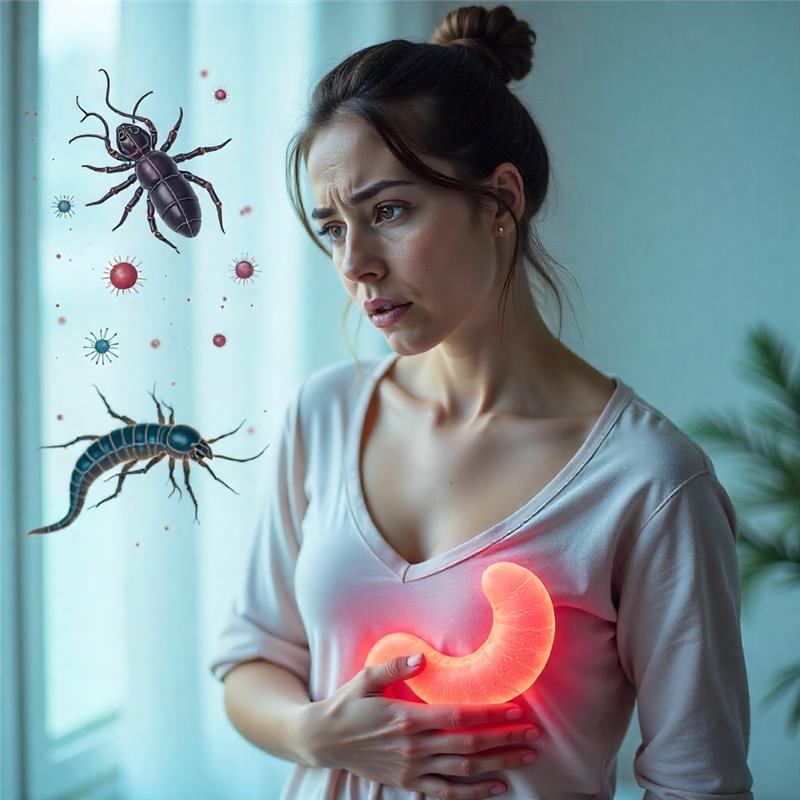

Parasite infections in humans are surprisingly common and can affect anyone regardless of age or lifestyle. These infections occur when parasites—organisms that live in or on a host—enter the body and start feeding on nutrients. If untreated, parasite infections can cause serious health problems, from mild digestive discomfort to life-threatening complications. Understanding the causes, symptoms, and treatment options is essential for early detection and prevention.
What is a Parasite Infection?
A parasite is an organism that survives by living on or inside another organism (the host). In humans, parasites can be classified into three main categories:
- Protozoa: Single-celled organisms such as Giardia lamblia and Plasmodium (responsible for malaria).
- Helminths (Worms): Includes roundworms, tapeworms, and hookworms.
- Ectoparasites: Parasites like lice, mites, and ticks that live on the surface of the skin.
These organisms can cause infections that range from mild irritation to severe illness depending on the type and number of parasites in the body. If you want to Buy Ivermectin 12 mg then visit Medshop for better treatment.
How Do Humans Get Parasite Infections?
Parasites can enter the human body through various ways, often due to poor hygiene or environmental factors. The most common routes include:
- Contaminated Food and Water
Eating raw or undercooked meat, unwashed fruits, or drinking contaminated water is a leading cause of infection. For example, tapeworm eggs can be present in improperly cooked pork or beef. - Poor Hygiene
Not washing hands after using the toilet or handling pets increases the risk of spreading parasites. - Person-to-Person Contact
Some parasites, like Giardia, can be transmitted through close contact or by touching contaminated surfaces. - Insect Bites
Mosquitoes, fleas, and ticks can transmit parasitic diseases like malaria and Lyme disease. - Travel to High-Risk Areas
Visiting tropical or subtropical regions increases the risk of exposure to parasites that are not common in developed countries. - Soil Contact
Walking barefoot in contaminated soil can allow hookworm larvae to enter through the skin.
Treatment for Parasite Infections
Treatment depends on the type of parasite and the infection’s severity. Here are the common options:
1. Prescription Medications
- Ivermectin 12 mg Online: Highly effective for treating parasitic infections like scabies, strongyloidiasis, and other intestinal worms.
- Iverbest 6 mg: Another trusted option for managing parasitic infections.
- Albendazole or Mebendazole: Commonly prescribed for roundworm and hookworm infections.
Metronidazole or Tinidazole: Effective against protozoan infections like giardiasis.
Common Symptoms of Parasite Infection
The symptoms depend on the type of parasite and the severity of the infection. Here are some common signs to watch for:
- Digestive Problems: Diarrhea, constipation, gas, bloating, and stomach pain.
- Unexplained Weight Loss: Parasites consume nutrients, causing weight loss even with normal eating habits.
- Fatigue and Weakness: Nutrient deficiency caused by parasites leads to tiredness.
- Skin Issues: Rashes, itching, redness, or sores.
- Nausea and Vomiting: Often related to intestinal parasites.
- Fever and Chills: Common in malaria and other blood-borne parasitic infections.
- Anemia: Caused by parasites that feed on blood, such as hookworms.
If these symptoms persist, medical attention is necessary.
How Are Parasite Infections Diagnosed?
Doctors use several diagnostic methods to identify parasitic infections:
- Stool Tests: To detect eggs or larvae.
- Blood Tests: To find antibodies or signs of infection.
- Imaging Scans: For severe cases affecting organs like the liver or brain.
- Endoscopy or Colonoscopy: To detect intestinal parasites.
Early diagnosis is critical to prevent complications like malnutrition, organ damage, and chronic illness.
2. Hydration and Nutrition
Parasite infections often lead to dehydration and nutrient loss, so maintaining proper hydration and nutrition is essential during treatment.
3. Follow-Up Care
Some infections require multiple doses or repeated treatment to ensure complete eradication.
Prevention Tips for Parasite Infections
Preventing parasite infections is easier than treating them. Here are some practical tips:
- Wash hands thoroughly before eating and after using the toilet.
- Drink only clean, filtered, or boiled water.
- Cook meat and seafood properly to kill parasites.
- Wash fruits and vegetables before consumption.
- Avoid walking barefoot in soil.
- Use insect repellent when traveling to high-risk areas.
Good hygiene and proper food handling are the best defense against parasitic infections.
Complications of Untreated Parasite Infections
If left untreated, parasite infections can lead to severe health issues such as:
- Malnutrition: Due to nutrient absorption interference.
- Organ Damage: Parasites can migrate to the liver, lungs, and even the brain.
- Immune System Weakness: Making the body more vulnerable to other infections.
- Chronic Illness: Long-term infection can cause persistent fatigue and digestive disorders.
When to See a Doctor
Consult a doctor immediately if you experience:
- Persistent diarrhea or vomiting
- Unexplained weight loss
- Severe abdominal pain
- Blood in the stool
- High fever and chills
Early treatment can prevent complications and speed recovery.
Buy Parasite Infection Medicines Online at Meds4shop
Order now at Meds4shop and enjoy 20% OFF + Fast Shipping across the USA! Your health is our priority—don’t wait, treat parasite infections before they get worse.