
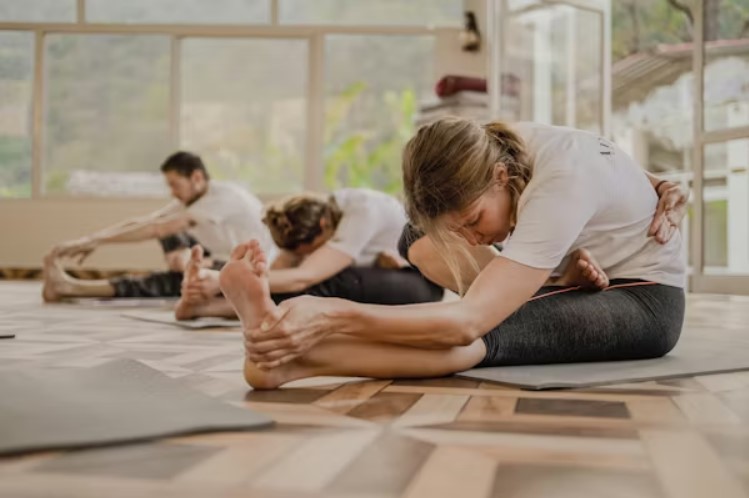

Fitness is often viewed as something demanding, time-consuming, or difficult to sustain. In reality, it becomes achievable when it is approached with structure, flexibility, and practical adjustments that fit into daily routines. Rather than relying on extremes, long-term success in fitness comes from consistency, accessibility, and the ability to adapt to challenges without losing momentum.
Set Realistic and Measurable Goals
Clear, achievable goals create direction and motivation. Instead of aiming for rapid transformation, focus on steady progress—such as improving endurance, increasing strength, or maintaining regular activity. Measurable targets make it easier to track improvement and stay committed over time.
Build Fitness Into Your Routine
One of the most effective ways to make fitness achievable is to integrate it into your existing schedule. Short, consistent sessions are more sustainable than occasional intense workouts. Whether it is a morning routine, a lunchtime walk, or an evening session, consistency matters more than duration.
Create a Dedicated and Functional Space
Having a designated area for exercise reduces resistance and makes it easier to begin. This space does not need to be large or complex—it simply needs to be accessible and free from distractions. A well-organised environment encourages regular use and reinforces habit formation.
Maintain Your Equipment for Consistency
Reliable equipment plays a significant role in sustaining a fitness routine. For example, if you rely on a Peloton Bike, ensuring that issues such as screen functionality are addressed promptly is essential.
A damaged or unresponsive display can disrupt workouts and reduce motivation. Investing in timely Peloton screen replacement helps maintain continuity, allowing you to stay engaged with guided sessions and performance tracking without interruption.
Incorporate Pilates for Balanced Strength
Joining a Pilates class introduces a structured yet adaptable form of exercise that focuses on core strength, flexibility, and controlled movement.
Pilates is particularly effective for individuals seeking low-impact training that still delivers measurable results. Its emphasis on alignment and stability complements other forms of exercise, making it easier to maintain a well-rounded fitness routine.
Focus on Enjoyment Over Obligation
Sustainability in fitness often depends on enjoyment and your personal preferences. Choosing activities that you genuinely find engaging—whether cycling, strength training, or group classes—reduces the likelihood of burnout. When exercise becomes something you look forward to rather than avoid, consistency follows naturally.
Adapt to Changing Circumstances
Life demands flexibility, and fitness routines must adapt accordingly. If time becomes limited, shorter sessions or alternative workouts can maintain progress. The ability to adjust without abandoning the routine entirely is a defining factor in long-term success.
Track Progress and Celebrate Small Wins
Monitoring progress reinforces motivation. Whether through apps, fitness devices, or personal records, tracking improvements provides tangible evidence of effort. Recognising small achievements builds momentum and encourages continued commitment.
Prioritise Recovery and Balance
Rest and recovery are essential components of any fitness plan. Overtraining can lead to fatigue, injury, and loss of motivation. Incorporating rest days, stretching, and proper nutrition ensures that the body remains capable of sustained effort over time.