
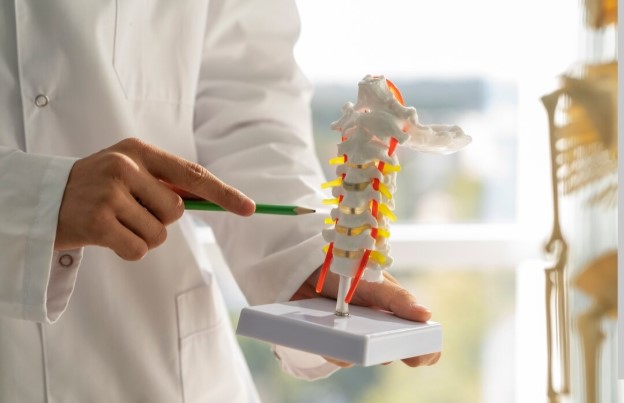

The spine is the body’s support system, responsible for posture, movement, and the protection of nerves that connect the brain to the rest of the body. When spinal problems develop, they affect every aspect of life like mobility, comfort, and productivity.
Treatments for spine-related issues start with conservative approaches like medication, therapy, or lifestyle changes. However, there are situations where these options no longer provide relief, making surgical intervention necessary.
Here are 4 signs that indicate you may need to go for a spine surgery. Read on!
Persistent Back Pain
Back pain is one of the most common medical complaints worldwide, and in most cases, it improves with rest, therapy, or medication. However, when pain becomes chronic and significantly disrupts daily life, it could be a sign of an underlying structural problem.
Pain that lasts longer than twelve weeks, despite conservative treatments, signals issues like herniated discs or degenerative disc disease. In these cases, the pain may not just remain in the back but radiate to other parts of the body.
Persistent back pain that doesn’t improve is a strong indicator that something more serious is happening within the spinal structure. When nerve compression or instability in the vertebrae becomes too severe, surgery may be the only way to provide lasting relief.
Radiating Pain or Numbness
When spinal problems begin to affect the nerves, symptoms go beyond localized back pain. Radiating pain that travels down the arms or legs often indicates nerve compression caused by conditions such as herniated discs. This type of pain is usually sharp, burning, or tingling.
Sciatica is a common example of radiating pain. It occurs when the sciatic nerve, which runs from the lower spine down the legs, is compressed or irritated.
Mild cases may improve with physical therapy or injections. However, severe cases that cause weakness or loss of sensation often require spine surgery to relieve pressure on the nerve.
Limited Mobility
Another sign that spine surgery may be necessary is when spinal problems restrict movement to the point of limiting daily life. Mobility is essential for independence, and when pain or stiffness makes it difficult to bend or walk, it becomes a serious issue.
Conditions such as spinal stenosis, scoliosis, or degenerative disc disease can narrow the spinal canal or misalign the vertebrae, making movement painful and unsafe. Simple tasks like climbing stairs, lifting objects, or getting out of bed may become highly difficult.
Surgical intervention in these cases is aimed at restoring structural alignment, removing obstructions, or stabilizing weak areas of the spine.
Loss of Bladder or Bowel Control
While back pain and nerve problems are common warning signs, the loss of bladder or bowel control is a far more serious symptom. This condition, associated with cauda equina syndrome, occurs when severe compression affects the bundle of nerves at the lower end of the spinal cord.
In most cases, surgery becomes the only option to relieve the intense pressure on the nerves and prevent long-term complications. Addressing the problem quickly can make a big difference here.