

A straight smile has long been associated with confidence, attractiveness and good oral health. Yet the science behind teeth alignment extends far beyond appearance. The way teeth meet influences chewing, speech, oral hygiene and the distribution of forces across the jaw. Today, digital technology is changing how Australians understand orthodontic treatment, replacing the idea of a one-size-fits-all approach with a more personalised vision of dental care.
However, technological progress does not mean every treatment is simpler, faster or suitable for everyone. Understanding what modern orthodontics can achieve, and where professional judgement remains essential, helps Australians make informed decisions about their smiles.
Beyond Straight Teeth: Understanding the Purpose of Orthodontics
Teeth alignment is about more than creating an aesthetically pleasing smile. When teeth are crowded, rotated or poorly positioned, cleaning certain areas can become more difficult. Some bite irregularities can also affect chewing efficiency or contribute to uneven tooth wear.
Orthodontic treatment aims to improve the relationship between the teeth and jaws while considering facial structure, gum health and long-term stability. Depending on the individual, treatment may address crowding, gaps, overbites, underbites or crossbites.
Not every irregularity requires correction, and perfectly straight teeth are not a universal measure of oral health. A dentist or orthodontist must evaluate the person’s bite, periodontal condition, dental history and treatment goals before recommending an approach.
This distinction matters because the most appropriate treatment is not necessarily the one that produces the most dramatic visual change. It is the one that addresses the patient’s needs while protecting the health and function of the teeth and supporting tissues.
How Digital Technology Is Changing Treatment Planning
One of the most significant developments in contemporary orthodontics is the use of digital records. Intraoral scanners can capture detailed images of the teeth and surrounding structures, often reducing the need for traditional impression materials.
These digital models allow clinicians to examine tooth positions, measure spaces and develop a more detailed understanding of the patient’s current alignment. Digital simulations may also help illustrate how teeth could move during treatment, giving patients a clearer picture of the proposed process.
For people considering braces, digital planning can support the design and placement of customised appliances. Clinicians can use digital records alongside photographs, radiographs and clinical examinations to assess the forces required to move teeth and determine an appropriate treatment sequence.
Nevertheless, a computer-generated simulation is a planning tool, not a guarantee of the final result. Teeth respond biologically to orthodontic forces, and their movement can vary according to bone characteristics, root anatomy, age, oral health and individual response to treatment.
Regular clinical reviews remain essential because the treatment plan may need adjustment as the teeth move.
Oral Hygiene During Orthodontic Treatment
Technology cannot replace the daily habits that keep teeth and gums healthy. Fixed appliances create additional surfaces where food particles and plaque can accumulate, increasing the risk of gum inflammation, white spot lesions and tooth decay when cleaning is inadequate.
Patients wearing braces should brush carefully with fluoride toothpaste, clean around brackets and wires, and use interdental brushes or other recommended aids where appropriate. Regular dental examinations and professional cleaning remain important throughout treatment.
Clear aligner users must also maintain good hygiene. Teeth should generally be cleaned before aligners are reinserted, and the trays must be cared for according to professional instructions. Wearing aligners over inadequately cleaned teeth can contribute to oral health problems.
After active treatment, retainers help maintain the new tooth positions. Because teeth naturally tend to change over time, retention is an essential part of the overall treatment plan rather than an optional final step.
Traditional Braces in a Digital World
Although digital orthodontics receives considerable attention, conventional fixed appliances remain an important treatment option. Modern brackets and wires can be used to address a wide range of alignment problems, including complex movements that may require precise control of individual teeth.
Advances in bracket design, wire materials and treatment planning have helped clinicians tailor treatment to different needs. Ceramic brackets may offer a less noticeable alternative to traditional metal appliances, while other fixed systems prioritise particular functional or aesthetic preferences.
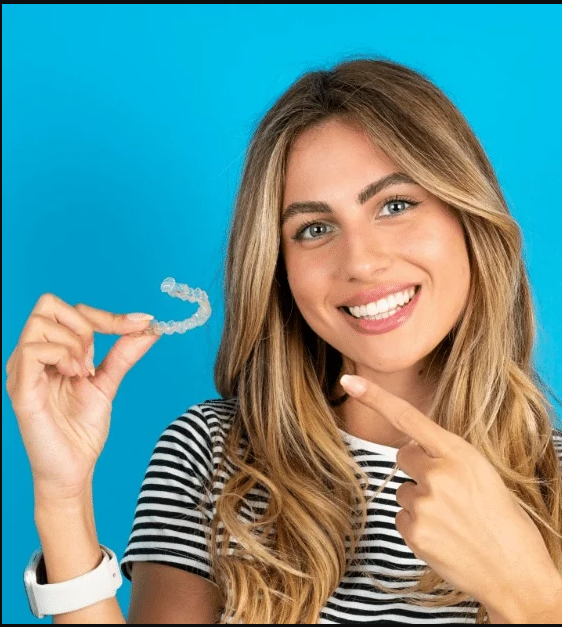
Clear aligners provide another option for selected patients. These removable appliances use a planned series of transparent trays to move teeth progressively. They can be convenient for eating and cleaning, but successful treatment depends heavily on wearing them for the prescribed amount of time and attending follow-up appointments.
Neither fixed braces nor clear aligners are automatically superior. The choice depends on the complexity of the case, the movements required, the patient’s preferences and their ability to follow treatment instructions.
Digital technology has expanded the available options, but clinical suitability should always come before marketing claims.
The Growing Appeal of Adult Orthodontics
Orthodontic treatment is no longer viewed exclusively as a teenage experience. Many Australian adults are exploring ways to improve their bite or address crowding that has become more noticeable over time.
Some adults did not have access to orthodontic treatment when they were younger. Others experienced changes in alignment after previous treatment or stopped wearing their retainers consistently. Teeth can continue to shift throughout life, making maintenance an important consideration even after a successful result.
For adults, treatment planning may involve additional considerations, including existing crowns, missing teeth, gum recession, periodontal disease or previous dental procedures. These factors do not automatically prevent orthodontic treatment, but they can influence the approach and require appropriate management.
A personalised assessment helps establish realistic expectations, likely treatment duration and any limitations. It also allows patients to consider how orthodontics fits into their work, family responsibilities and daily routines.
The growing acceptance of adult orthodontics reflects a broader understanding that oral health is an ongoing commitment rather than a task completed during childhood.
Making Informed Choices in Australia
Australians researching orthodontic treatment may encounter promises of rapid results, advanced digital systems and attractive package prices. Before committing, patients should ask who will supervise their treatment, what diagnostic records are required, which complications may arise and how follow-up care will be provided.
They should also clarify the total expected cost, including retainers, appointments and any additional procedures. A treatment plan should explain its limitations and alternatives rather than rely solely on a digital preview or an advertised timeline.
Professional oversight is particularly important when considering remote or mail-order aligner services. Moving teeth without adequate examination and monitoring can overlook problems involving gum health, tooth roots or bite function.
Smarter Smile Technologies: The Future of Modern Dentistry
Smarter smile technologies are transforming modern dentistry by combining digital innovation, advanced diagnostic tools, and personalized treatment planning to deliver more precise, comfortable, and efficient dental care. From 3D imaging and digital smile design to computer-guided implant placement and AI-assisted diagnostics, these innovations help dental professionals assess oral health more accurately and develop treatment approaches tailored to each patient’s needs. By improving clinical precision, streamlining procedures, and supporting more predictable outcomes, smarter dental technologies are making treatments such as dental implants, cosmetic dentistry, and orthodontics increasingly sophisticated. As these advancements continue to evolve, patients can benefit from a more informed, convenient, and personalized dental experience, helping them achieve healthier teeth and greater confidence in their smiles.
A Smarter Future for Australian Smiles
Digital orthodontics is making treatment planning more visual, personalised and accessible to discussion. Yet the real measure of progress is not simply how straight teeth appear on a screen. It is whether treatment improves function, respects biological limits and supports lasting oral health.
For Australians considering orthodontic care, modern technology offers valuable opportunities, but informed decisions still depend on qualified clinical guidance and realistic expectations.
A healthy smile is not created by software alone. It emerges when innovation, professional expertise and consistent daily care work together to make every movement of the teeth purposeful, safe and sustainable