

Traditional Chinese Medicine (TCM) approaches male reproductive health differently from conventional medicine. Rather than focusing only on test results such as sperm count or motility, TCM practitioners look for patterns of imbalance across the body and tailor treatment to each pattern. This is why two men with similar semen analysis results may be given different advice or different Chinese herbs for male fertility. Understanding these patterns can help men and their partners make sense of a TCM assessment and how it relates to their wider fertility plan.
How TCM Frames Male Reproductive Health
In TCM theory, reproductive health is closely linked to the Kidneys, which are believed to store essence, or Jing, that supports growth, development and fertility. Other organ systems also play a part, and practitioners usually consider factors such as these:
- The balance of Yin and Yang, which represent cooling and warming functions in the body.
- The flow of Qi and Blood, which supports circulation and nourishment.
- The Liver’s role in keeping Qi moving freely, especially under stress.
- The Spleen’s role in digestion and producing Qi and Blood.
- Lifestyle factors, such as diet, sleep, alcohol and work patterns.
These organ concepts are part of TCM theory and do not correspond exactly to the organs described in conventional anatomy.
Common Patterns and How They Are Interpreted
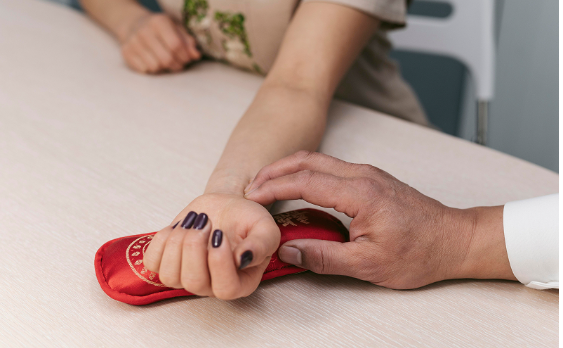
A TCM assessment usually involves questions about symptoms, along with tongue and pulse examination. Based on these findings, practitioners often describe patterns such as the following.
Kidney Yang Deficiency
This pattern is associated with a decline in warming and energising functions. Signs a practitioner may note include these:
- Feeling cold, particularly in the lower back and limbs.
- Low energy, reduced libido or difficulty maintaining erections.
- Frequent urination, especially at night.
Kidney Yin Deficiency
Here, the cooling and nourishing aspects of the body are thought to be depleted. Practitioners at a TCM fertility clinic in Singapore may consider this pattern when men describe heat and restlessness, with signs such as the following:
- Night sweats or feeling hot in the evenings.
- Dry mouth, restlessness or poor sleep.
- Lower back soreness and a sense of fatigue.
Liver Qi Stagnation
Stress and emotional strain are often linked to this pattern, particularly among men with demanding work schedules. Common signs include these:
- Irritability, frustration or low mood.
- Tension in the chest, sides or abdomen.
- Symptoms that worsen during stressful periods.
- Sighing frequently or a tight feeling in the throat.
Damp-Heat in the Lower Body
This pattern is linked to heat and dampness accumulating in the lower part of the body, sometimes associated with diet and lifestyle. Signs may include the following:
- Heaviness, discomfort or itching in the groin area.
- Dark or strong-smelling urine.
- A greasy, yellow coating on the tongue.
Qi and Blood Deficiency
Often linked to the Spleen, this pattern reflects a general lack of energy and nourishment. Signs commonly associated with it include these:
- Ongoing tiredness and shortness of breath on exertion.
- A pale complexion.
- Poor appetite or loose stools.
- Dizziness when standing up quickly.
Using TCM Alongside Medical Care
TCM patterns describe how a practitioner views the body, but they do not replace medical diagnosis. Semen analysis, hormone tests and a doctor’s assessment remain necessary to identify conditions that need conventional treatment. Men considering TCM should also tell their doctor about any herbs they take, as some may interact with medication. Herbal prescriptions should come from a registered practitioner rather than being self-selected.
Reading the Pattern Behind the Plan
TCM interprets male reproductive health through patterns such as Kidney deficiency, Liver Qi stagnation, damp-heat and Qi and Blood deficiency, each guiding a different treatment approach. Understanding which pattern a practitioner has identified, and keeping your doctor informed, can help you see how TCM fits within your overall fertility plan.
Schedule a TCM assessment at 1TCM to understand which pattern applies to your reproductive health.