
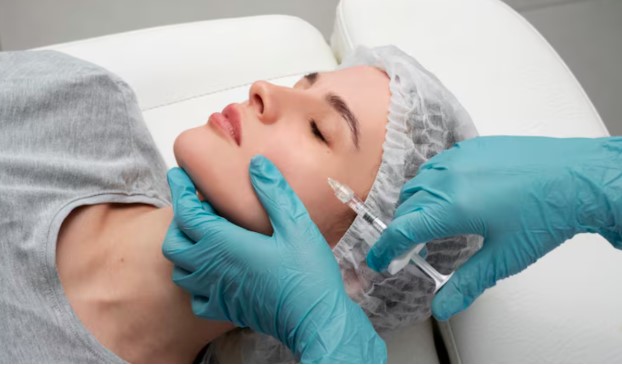

In the modern world of aesthetic medicine and specialized healthcare, few treatments have gained as much global recognition as botulinum toxin injections.
While many people primarily associate this procedure with the reduction of facial wrinkles, its applications extend far beyond simple cosmetic enhancement.
The use of botox has revolutionized how medical professionals approach both aging and various chronic physical conditions. By temporarily relaxing specific muscle groups, this treatment offers a non-invasive solution for individuals seeking to improve their appearance or manage persistent health issues.
Understanding the multifaceted advantages of this procedure helps patients make informed decisions about their personal care and long-term wellness goals.
1. Effective Reduction of Fine Lines and Dynamic Wrinkles
One of the most celebrated benefits of this treatment is its ability to smooth out dynamic wrinkles that form from repetitive facial expressions. Over time, squinting, frowning, and smiling create deep lines around the eyes and forehead that can make a person appear older or more tired than they feel.
Applying botox to these targeted areas prevents the underlying muscles from contracting intensely, allowing the skin above to settle and appear more youthful.
This rejuvenation process provides a refreshed look without the need for surgical intervention or lengthy recovery periods, making it a favorite for those with busy lifestyles.
2. Management of Chronic Migraines and Tension Headaches
Beyond the realm of beauty, this specialized protein has been cleared for the preventative treatment of chronic migraines.
For individuals who suffer from debilitating headaches for fifteen or more days a month, the administration of botox can significantly reduce the frequency and severity of these episodes.
The medication works by blocking the release of chemicals involved in pain transmission and relaxing the muscles in the head and neck.
This therapeutic application has provided a life-changing alternative for patients who have found little relief through traditional oral medications or lifestyle changes alone.
3. Treatment for Excessive Sweating or Hyperhidrosis
Many people struggle with a condition known as hyperhidrosis, where the body produces excessive sweat regardless of temperature or physical activity.
This can lead to social anxiety and discomfort in professional settings. Fortunately, the use of botox has proven highly effective in treating overactive sweat glands, particularly in the underarms, palms, and feet.
By temporarily disabling the chemical signals that stimulate these glands, the treatment provides months of dryness and confidence. This functional benefit highlights the versatility of the procedure as a tool for improving daily quality of life and personal comfort.
4. Addressing Muscle Spasticity and Neurological Disorders
In the field of neurology, injections are frequently used to help patients managing muscle stiffness and involuntary contractions. Conditions such as cervical dystonia, which causes painful neck spasms, or upper limb spasticity after a stroke, can be managed with targeted botox applications.
By calming the overactive muscles, patients often experience a greater range of motion and a significant reduction in localized pain.
This medical use is essential for physical rehabilitation, as it allows patients to engage more effectively in therapy and perform daily tasks with greater ease and less physical strain during their recovery.